I believe having a hobby that allows engineers to practise and hone their engineering skills is essential to their development.
I have a intrinsic curiosity to find out how things work, using this knowledge I then design solutions to daily problems I come across in work or at home. I enjoy creating and even more seeing my designs working and being used by others, here is a selection of my homebrewed 3D models.
I also encourage other engineers to take up a hobby it doesn’t have to be the same as me, but having a creative outlet allows engineers to problem solve, create, test, evaluate, iterate and refine, take a look at my new Projects category in my Blog posts to see some suggestions to start you off!
3D Printing
3D printing serves as an exceptional hobby for engineers and students because it reinforces a fundamental truth often overlooked in academic settings: most times a mock-up or an actual test is quicker and more accurate than calculation or simulation.
While engineering curricula rightly emphasise analytical methods and finite element analysis, there’s irreplaceable value in rapidly fabricating a physical prototype to validate assumptions, reveal overlooked constraints, and test real-world performance under actual conditions.
3D printing makes this iterative, empirical approach remarkably accessible—students can design a bracket in the morning, print it by afternoon, and discover through hands-on testing whether their theoretical load calculations matched reality or missed critical factors like stress concentrations, assembly tolerances, or material behaviour.
This cycle of predict-build-test-refine develops the kind of engineering intuition that separates textbook knowledge from practical expertise, teaching students when a quick physical test will resolve uncertainty faster than hours spent refining a simulation model.
By lowering the barriers to physical prototyping, 3D printing cultivates engineers who instinctively balance analytical rigour with pragmatic experimentation, ultimately producing more robust designs through the wisdom of knowing when to calculate and when to simply build it and see.
Astrophotography
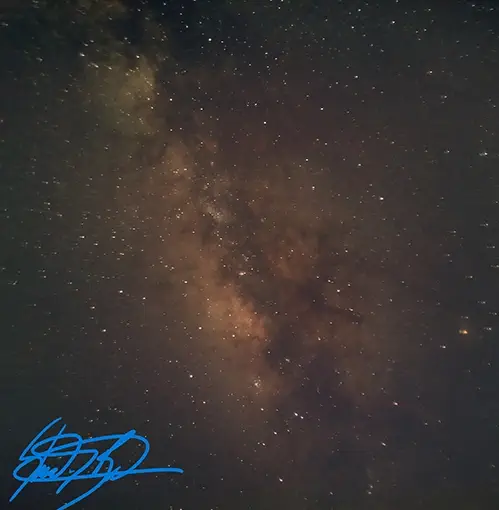
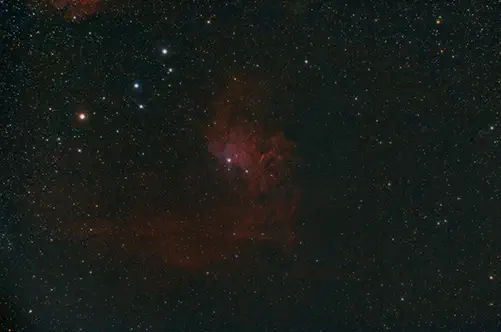
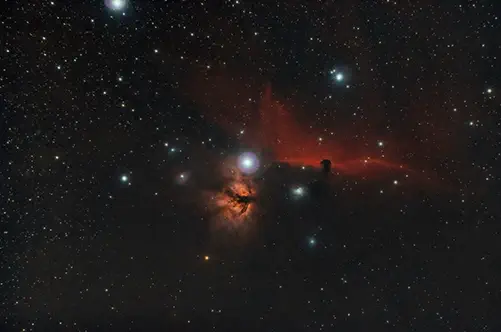
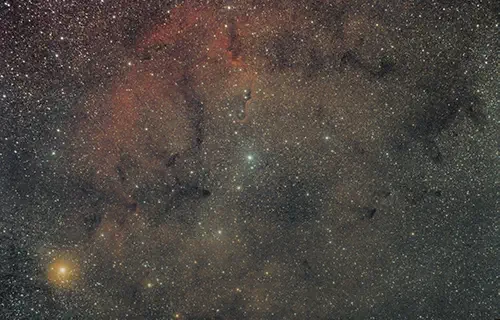
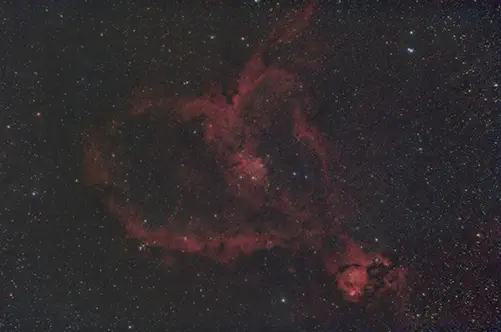
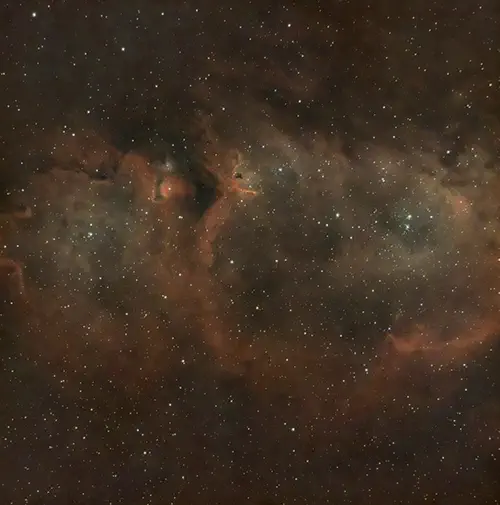
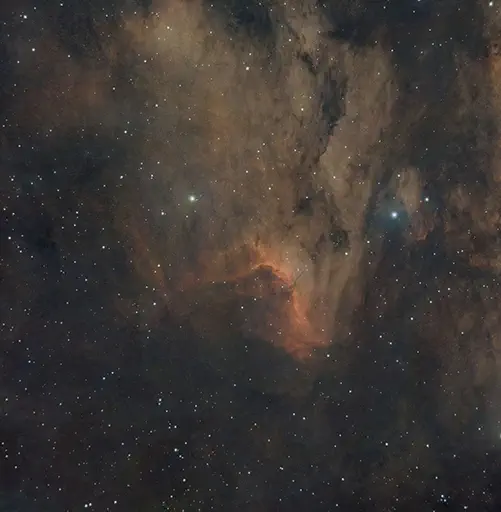
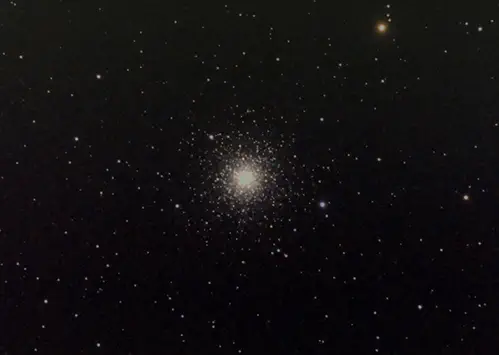
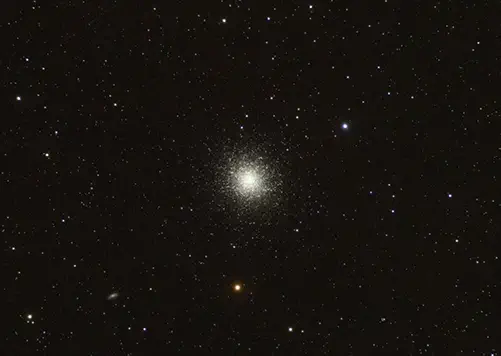
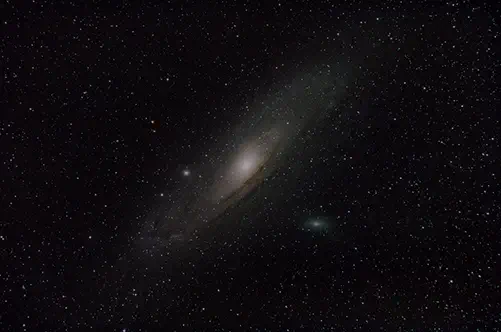
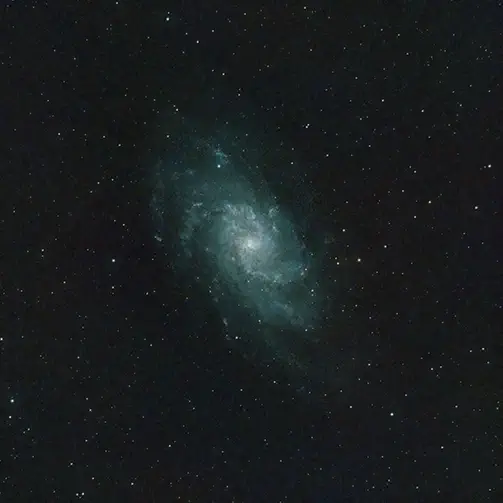
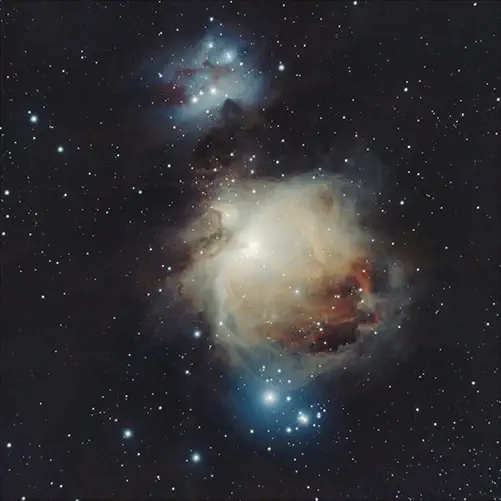
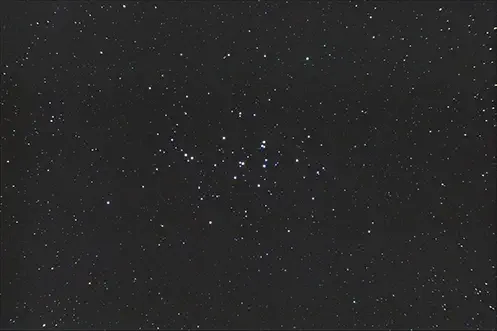
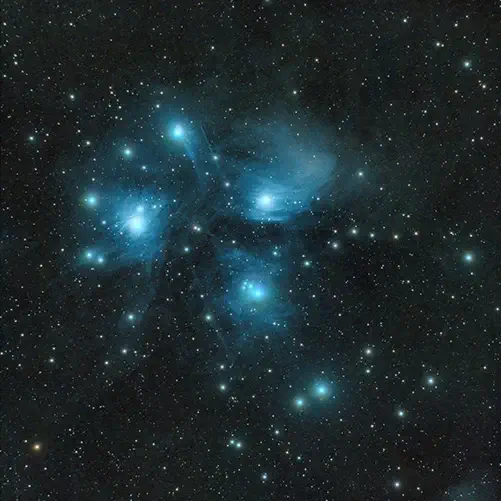
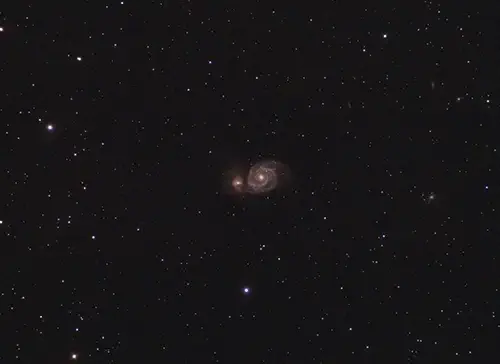
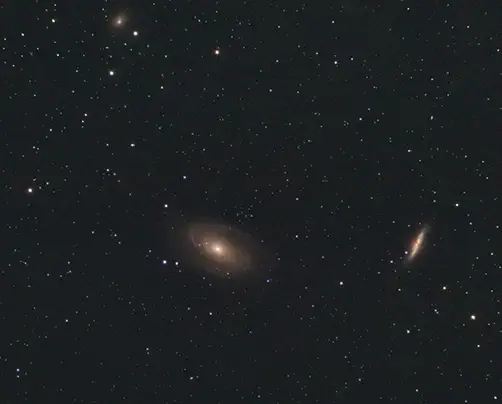
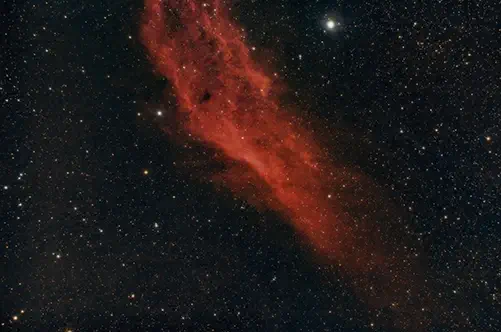
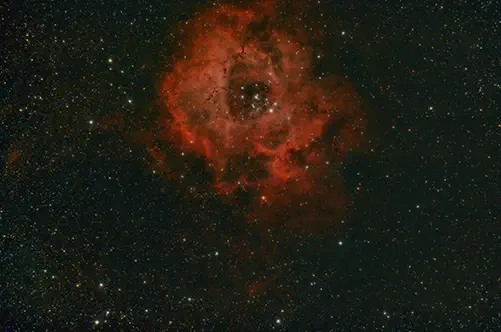
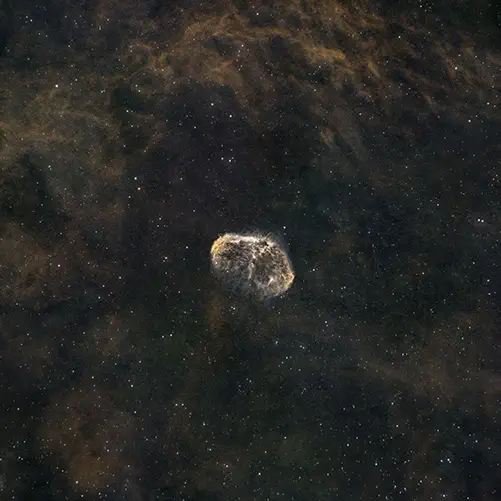
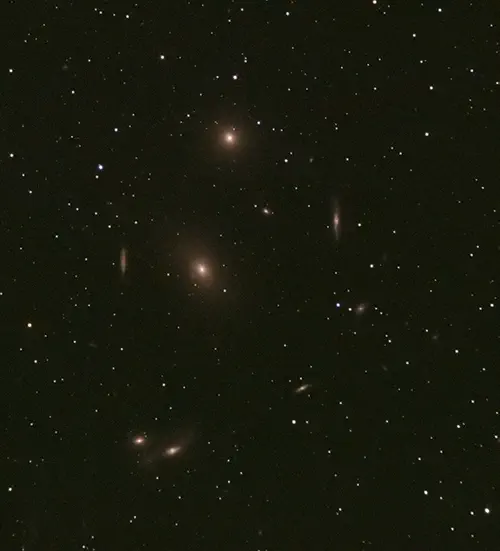
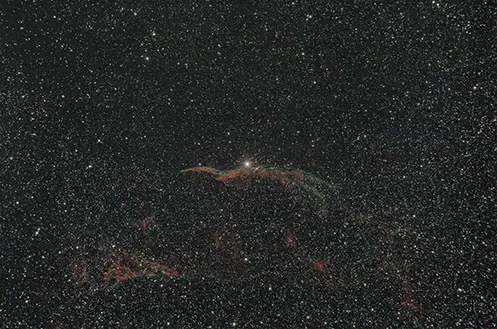
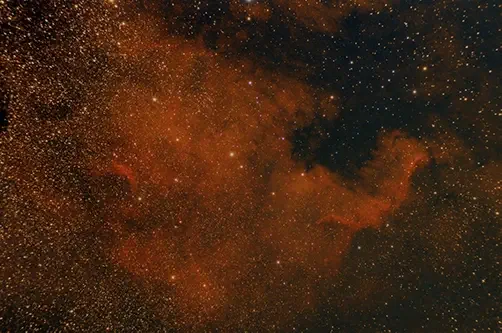
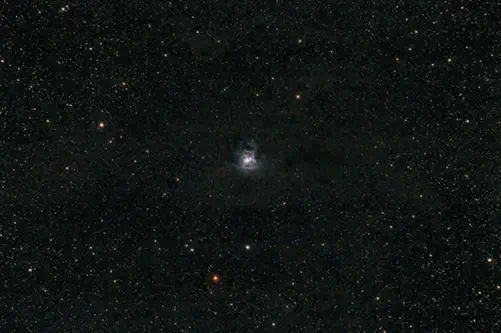
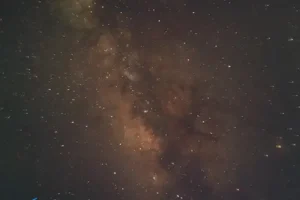
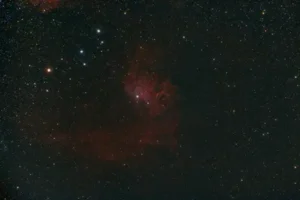
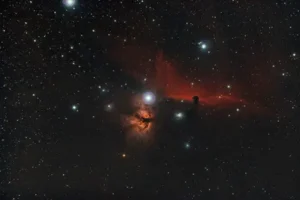
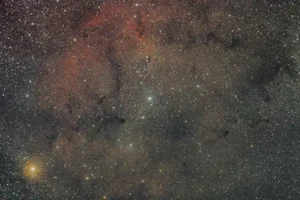
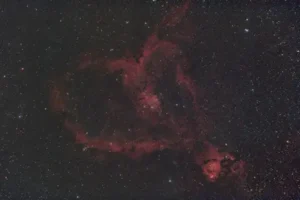
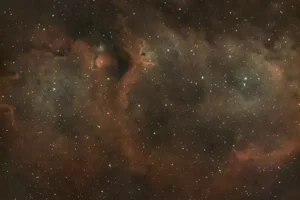
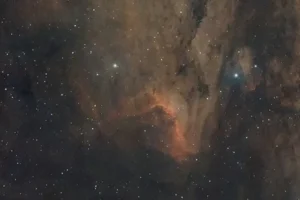
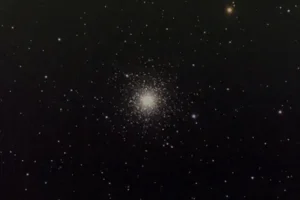
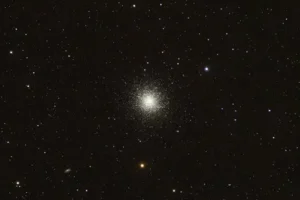
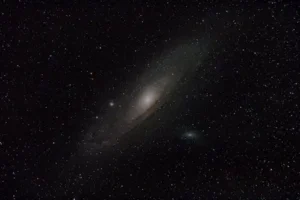
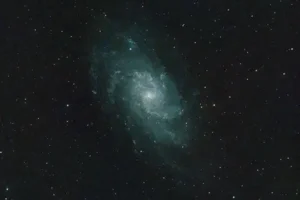
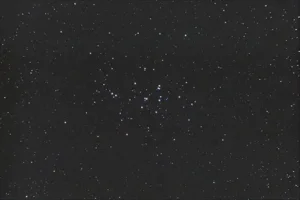
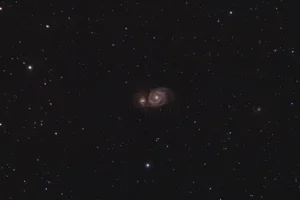
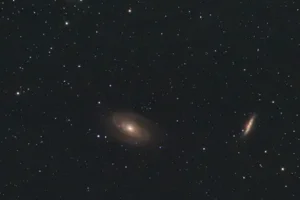
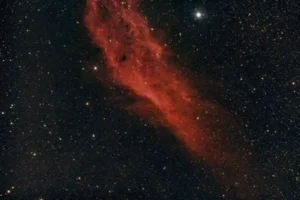
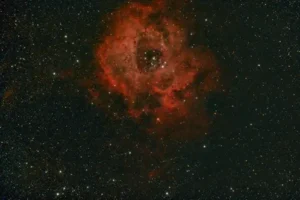
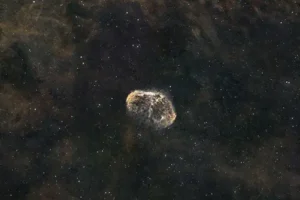
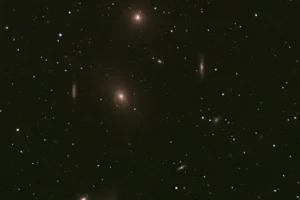
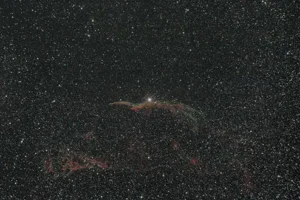
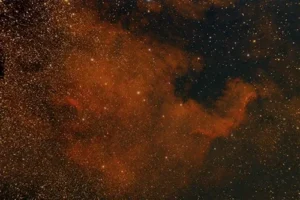
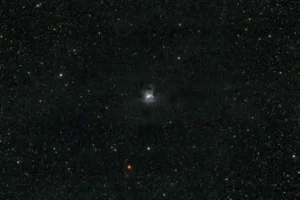
Here's a showcase of my passion - Space! (via Astrophotography) There's lots of it..
3 Years ago I started my astrophotography hobby after years of looking up at the stars, I enjoy everything space related from TV shows to YouTube channels to SpaceX and Nasa. Here I get to take some of those photons that have travelled for millions/billions of years and turn it into a creative piece to share here.
I currently own a Skywatcher 72ED telescope mounted on a Skywatcher HEQ5 Pro mount, these plus a 0.85 Flattener – Reducer / ASI120mm Guide-cam and 60 x 200 Guide-scope all will a Optolong L-pro filter and a modified Canon 650D DSLR allows me to take photos of the night sky.
Living in a Bortle class 6 sky (goes from 1 to 9 and 9 being London in terms of light pollution) my goal is to visit a dark sky site and shoot from there. Even though we have few clear night here in the UK, I still attempt to get out when I can.
The biggest benefit I have is that I’ve designed and built my rig to be both remote controlled and fully automated using free online software like APT / NINA / PHD2 and Sharpcap, while I stay with my rig til I finish, I know of many others who setup press go and go to bed, how I envy them …..
Beyond the pure enjoyment of capturing the cosmos, astrophotography develops essential engineering skills that translate directly into professional practice.
The hobby demands systems thinking—integrating optics, mechanics, electronics, and software into a cohesive imaging platform whilst troubleshooting the inevitable conflicts between components.
Automating the capture process requires understanding control systems, sensor behaviour, and data acquisition principles that mirror industrial applications.
Perhaps most valuably, astrophotography teaches patience with complex, multi-variable problems where success depends on methodically isolating issues (is it tracking error, atmospheric seeing, or optical misalignment?) and optimising performance under real-world constraints like light pollution and weather.
For students and engineers alike, there’s profound satisfaction in building a system from the ground up, debugging it through countless iterations, and ultimately achieving results that seemed impossible at the start—skills that apply whether you’re imaging distant galaxies or designing the next generation of spacecraft.
Please take some time out to enjoy the images shown below and as always please contact me if you wish to know more about this hobby or space either is fine with me.


If you're interested in finding out more about this hobby or starting it, I am part of a community of AstroN3rd5 Click the invite to come join our discord sever and say - Hi