Start 2026 Strong – 3 Advanced Tips How You Can Develop Your Self Awareness

Absorb what is useful. Discard what is not. Add what is uniquely your own.
Bruce Lee
As an engineering blog site, I feel it’s important to point out that personal development is our responsibility, and self awareness is a great tool for young engineers / students and even the professional engineers to learn to develop to unlock insights into themselves which can open pathways for progression.
What McDonalds taught me about Self Awareness.
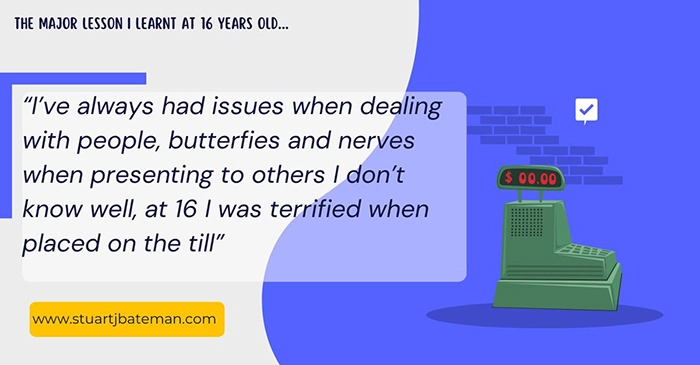
My college years included a brief stint at McDonald’s, where I spent weekends working nine-hour shifts in the kitchen. The work itself was straightforward enough—until I wasn’t in the kitchen anymore.
Whenever I was moved to the till or front-of-house duties, things fell apart. I struggled with customers, panicked under pressure, and nearly handed someone £110 in change when they’d given me a tenner. Eventually, I was let go. The reason? I wasn’t fast enough.
That dismissal stung, but it also clarified something important about how I work.
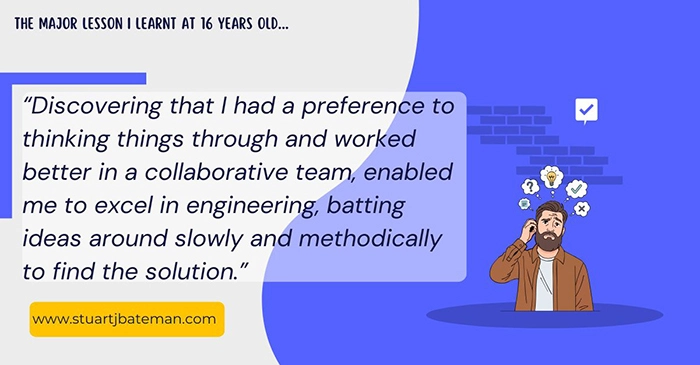
I’ve come to realise that I’m someone who needs to move deliberately through problems. I noticed this pattern even in my hobbies—when painting Warhammer figures, I could feel myself rushing, and every time I did, the quality suffered. Speed led to errors, assumptions, and mistakes that I’d have to fix later.
These days, I recognise when I’m accelerating too quickly. I’ve developed exercises that help me pause and shift back into critical thinking mode. This self-awareness has actually become one of my favourite things about problem-solving: having the time to examine a challenge from different angles before testing solutions.
What seemed like a weakness—being “too slow” for fast food—turned out to be insight into how I work best. That McDonald’s job taught me something valuable about myself, and it’s a lesson I carry with me today.
Three exercises to build your own self-awareness
If this story resonates with you, here are three practices that can help you develop self-awareness and work with your natural pace rather than against it:
- The Pause: Set intentional checkpoints during tasks where you stop and ask yourself: “How do I feel about this task?” & “Does this work come naturally or am I struggling to learn?” Notice your physical signs are you engaged, are you holding yourself in stress, is your mind wondering in boredom. This builds the muscle of catching yourself before errors happen.
- The Reflection: When you notice you’ve made an error or assumption, spend five minutes writing down: What was I trying to accomplish? What was I thinking/feeling right before the mistake? What would I do differently if I could replay this moment? This isn’t about self-criticism—it’s about pattern recognition. Over time, you’ll identify your personal triggers like time pressure, social anxiety, or excitement.
- The Deliberate Practice: Choose one routine task each day where you intentionally focus on what you’re doing, —designing a CAD model, doing statistics, responding to an email, organising your desk. Pay attention what details emerge? How does it feel? Practise with intent allows you to recognise which tasks you excel at, which you find simple and others you need work on, this trains your brain to your actions with quality and awareness rather than ignoring it and focusing on the deliverables.
The key insight is that self-awareness isn’t just knowing your weakness—it’s building practices that work with how you naturally operate. Developing this kind of self-awareness takes time, but the lessons you learn about yourself become invaluable guides for how you approach work, hobbies, and life challenges.
From a Professional point of view, think about the value of having self awareness and conducting a Personal SWOT analysis to understand yourself and where you need to develop, recognising traits about yourself will go a long way to building a better picture of your Strengths / Weakness to which you’ll be able to clarify with better precision your Opportunities / Threats.
Why should engineers develop self-awareness?
I get it, this isn’t engineering, solving difficult problems or achieving a high score on Super Mario Kart. But rarely did I as an engineer take the time to reflect on my life experiences and question what it said about me, what I preferred to do, what I naturally avoided, what my values and principles are.
If I had taken that time at the beginning and continue to reflect often, then some of those hard life lesson might have come sooner and allowed me to develop new skills or mindset or frameworks to progress in my career and as an individual. Engineers are encouraged to reflect more today via Institutions and their audited processes, this while it’s not explain effectively from my point of view is actually a good effort to start engineers off on the right path.
Have you had Self awareness experiences that revealed something unexpected about yourself? What moments of self-awareness have shaped how you work today? I’d love to hear your story.
Resources Self Awareness :
Check out these sites/books & videos that explain more –
https://reflection.ed.ac.uk/reflectors-toolkit/self-awareness
A collection of reflection questions and activities designed to help you better understand yourself.
https://prosper.liverpool.ac.uk/postdoc-resources/reflect/tools-for-building-self-awareness/
A definitive collection of tools (not all free) to help you develop your self-awareness.
https://uk.indeed.com/career-advice/career-development/what-is-self-awareness
A more in-depth explanation to what self-awareness is and the benefits to developing yours, along with a simple 5 step plan that you can follow to improve with.
https://markmanson.net/self-awareness
If you don’t know who Mark Manson is, then I would direct you to his YouTube channel, he’s down to earth in his explanations and examples, funny and has insightful posts on a lot of subjects.
https://www.bbc.co.uk/bitesize/articles/zrv67nb
One of my more trusted resources, the BBC bitesize covers many topics and worth you time exploring its content.
Books:
https://www.goodreads.com/shelf/show/self-awareness
Goodreads is a great site for find new books, reading peoples summaries and keeping track of what your read (so far I’ve read 35 books in one year). This collection is what readers recommend for Self Awareness with several on my own bookshelves having been read.
Videos:
https://www.youtube.com/watch?v=tGdsOXZpyWE
I always strive to encourage anyone to subscribe to the TEDx channels, and now that they have 5 mins shorts they’re a great resource for new ideas, learning and a chance to develop your mindset. This video talks about “Increase your self-awareness with one simple fix | Tasha Eurich”
Resource – (Internal) – Personal Development
Below are links to my 5 part series on Personal development:
- Making mistakes / assumptions and being wrong
- Can you detect Baloney
- First principles thinking
- Do you think it’s better to win?
- The Socratic method – Critical thinking


What are your thoughts? Have I covered everything or is there more you know and would like to share?
I’m always learning and improving this site and my blogs, so please feel free to get in touch with me via LinkedIn or this site to discuss any topics I have covered.
If you’re having trouble finding ways to progress check out these sites filled with free learning tools:


Discover more from The Chartered Engineer
Subscribe to get the latest posts sent to your email.
