Help with the strange world of Engineers Technical Communication Skills
The most important thing in communication is hearing what isn’t said.
Peter Drucker
Using the information from previous Engineer interviews (with more on technical communication skills) found here to gather more insights!
The Senior Engineer Perspective on technical communication skills
“I discovered technical people tell stories very differently than most other people when I took a public speaking class,” reveals Phil Black, a chemical engineer with 25 years of experience. “When I tried to tell a story from my life to my partner, she mentioned that I talked too much about stuff that didn’t interest her and completely skipped the most important pieces.”
Phil’s revelation points to a critical career skill: the ability to communicate technical concepts to different audiences (technical communication skills). Whether you’re explaining your project to your family, presenting to management, or collaborating with non-technical teams, translation skills determine whether your brilliant engineering work gets understood, supported, and implemented.
What You Can Do Now To Develop your Technical Communication Skills
Effective technical translation isn’t about dumbing down—it’s about matching your message to your audience’s needs, knowledge level, and interests.
The Audience Analysis Framework: Before any technical explanation, ask yourself:
- What do they already know? (Don’t explain basics they understand or advanced concepts they don’t need)
- What do they care about? (Cost, timeline, safety, performance, user experience)
- What decision are they making? (Budget approval, project priority, resource allocation)
- How much detail do they want? (High-level overview vs. implementation specifics)
The SOAR Translation Method:
- Situation: Set context they can relate to
- Objective: Explain what you’re trying to achieve in their terms
- Approach: Describe your solution using analogies and familiar concepts
- Result: Focus on outcomes that matter to them
Practice Exercise – The Family Test: Explain your current project to a family member in two minutes. Can they:
- Understand the problem you’re solving?
- Explain why it matters?
- Remember the key points an hour later?
If not, revise and try again. This isn’t about their intelligence—it’s about your communication clarity.
Building Your Analogy Library: Collect comparisons that make technical concepts accessible:
- Electrical circuits → Water flowing through pipes
- Software algorithms → Following a recipe
- Structural load calculations → Weight distribution in backpack packing
- Quality control processes → Proofreading an important document
The Business Impact Translation: Always connect technical details to business outcomes:
- Instead of: “We reduced processing time by 20 seconds”
- Say: “We improved system response time, which means users complete tasks 15% faster”
Cross-Functional Communication Prep: Before meetings with other departments, research their priorities:
- Marketing: Customer experience, competitive advantage, market timing
- Finance: Cost reduction, ROI, budget predictability
- Operations: Reliability, maintenance requirements, training needs
- Sales: Customer benefits, competitive differentiation, implementation simplicity
What the Pros Say
Stefanie Reichman, who transitioned from civil engineering to construction tech, credits technical communication skills for her career trajectory: “Key skills that have served me well are communication skills! These were hardly mentioned in school, but have been a tremendous difference in my career. The ability to learn how to present information, so that regardless of the recipient, the points come across, is an incredible skill!”
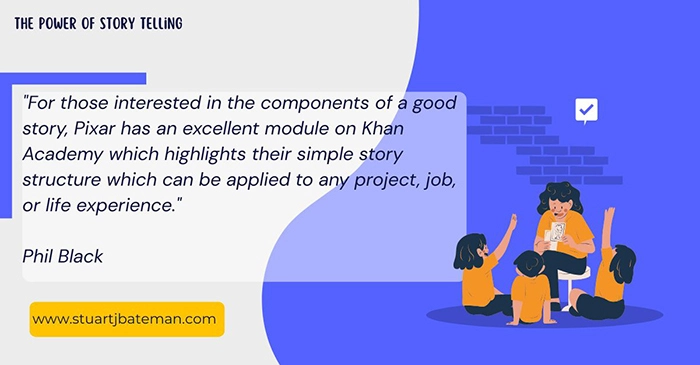
Phil Black discovered that effective storytelling follows structure, recommending Pixar’s story framework: “For those interested in the components of a good story, Pixar has an excellent module on Khan Academy which highlights their simple story structure which can be applied to any project, job, or life experience.”
Jeff Perry, a leadership coach for engineers, emphasizes adaptation: “Communication/public speaking – I’ve put in a lot of ‘reps’ through giving countless speeches, presentations, having 1:1 conversations, recording podcasts, and writing blogs.” He learned that technical value must be translated into business value.
The pattern across successful engineers is clear: those who learned to translate technical concepts into language their audience could understand and care about advanced faster into leadership roles and found more opportunities for impact.
Why Technical Communication Skills Matter Later
Translation skills become increasingly valuable as your career progresses:
- Project Approval: Senior engineers must convince stakeholders to fund projects. Your ability to connect technical solutions to business problems determines which projects get resources.
- Cross-Functional Leadership: Engineering managers coordinate with sales, marketing, operations, and finance. Success requires speaking each group’s language while maintaining technical accuracy.
- Client Relations: Whether you’re in consulting, product development, or technical sales, clients need to understand why your engineering approach serves their needs better than alternatives.
- Innovation Communication (Breakthrough): Groundbreaking technical solutions require stakeholder buy-in. Engineers who can explain complex innovations in compelling, accessible terms see their ideas implemented while brilliant solutions that can’t be explained clearly get shelved.
- Crisis Management: When technical systems fail, engineers must quickly communicate issues and solutions to decision-makers who need to act fast with limited technical background.
The translation skills you develop now become the foundation for technical leadership and strategic influence throughout your career.
Your Next Step
Choose one technical project or concept you’re currently working on. Create three different explanations:
- 30-second elevator pitch for a business executive
- 2-minute explanation for a colleague in a different engineering discipline
- 5-minute presentation for a mixed audience of technical and non-technical team members
Practice each version out loud. Record yourself or present to friends/family. Ask: “What questions do you have?” and “What would you want to know more about?” Their responses will reveal where your translation needs improvement.
Share Your Experience
What’s the most challenging technical concept you’ve had to explain to a non-technical audience? How did you approach it? Have you found analogies or frameworks that consistently help bridge the technical-business communication gap? Share your insights in the comments below!
Resources (Internals) – Careers
Check out these interviews I conducted with 10 engineers you can find and chat to on LinkedIn:
- Danny Murphy – Automation Engineer
- Kyle Shropshire – Design Engineer
- Chris Stasiuk – Engineering Coach
- Bug Meehan – Design Engineer
- John McClure – Energy Engineer
And also check out these posts related to this topic:



What are your thoughts? Have I covered everything or is there more you know and would like to share?
I’m always learning and improving this site and my blogs, so please feel free to get in touch with me via LinkedIn or this site to discuss any topics I have covered.
If you’re having trouble finding ways to progress check out these sites filled with free learning tools:


Discover more from The Chartered Engineer
Subscribe to get the latest posts sent to your email.
